Neighbors Helping Neighbors: Why Referrals Mean So Much to Small Businesses

When you choose a local small business, you’re doing more than checking a task off your to-do list—you’re supporting hardworking people who care deeply about their community. For businesses like ours, referrals from happy customers mean everything.

The biggest compliment we can receive is when you recommend us to friends, family, and neighbors. It tells us that you trust our work, value the service we provide, and feel confident sharing our name with the people you care about most. That kind of trust can’t be bought through advertising—it’s earned one yard, one customer, and one relationship at a time.
As the oldest and most trusted pet waste removal service in New Jersey, we know that word-of-mouth has always been one of the most powerful ways families discover our dependable help. Whether someone is searching for dog poop cleanup service in North Jersey or South Jersey, many of our best customers first heard about us from someone they know.

That’s because neighbors talk. They share recommendations for landscapers, contractors, dog walkers, and the services that make life easier. If someone notices a cleaner yard, a fresher outdoor space, or asks how you stay on top of pet cleanup, that conversation matters more than any ad ever could.

For small businesses, referrals also help us continue doing what we love. Every new customer gives us the opportunity to serve another family, create another clean and enjoyable outdoor space, and keep growing throughout the communities we serve across New Jersey. We’re proud to help homeowners reclaim their yards and spend more time enjoying them.

We also believe kindness should be returned. That’s why when customers refer someone to us, we offer a special thank-you for both you and the person you send our way. It’s our way of showing appreciation for your support while helping someone else discover a service that can make their life easier too.

If you’ve been happy with your service, please know that your recommendation truly means the world to us. Small businesses grow because loyal customers choose to spread the word—and we never take that for granted.

So if you know a friend, family member, or neighbor who could use help keeping their yard clean and pet-waste free, feel free to share our name. We’d be honored to help them, just like we’ve helped you.

At the end of the day, that’s what community is all about: neighbors helping neighbors, and supporting local businesses along the way.
Why Spring Is the Perfect Time to Hire a Pet Waste Removal Service

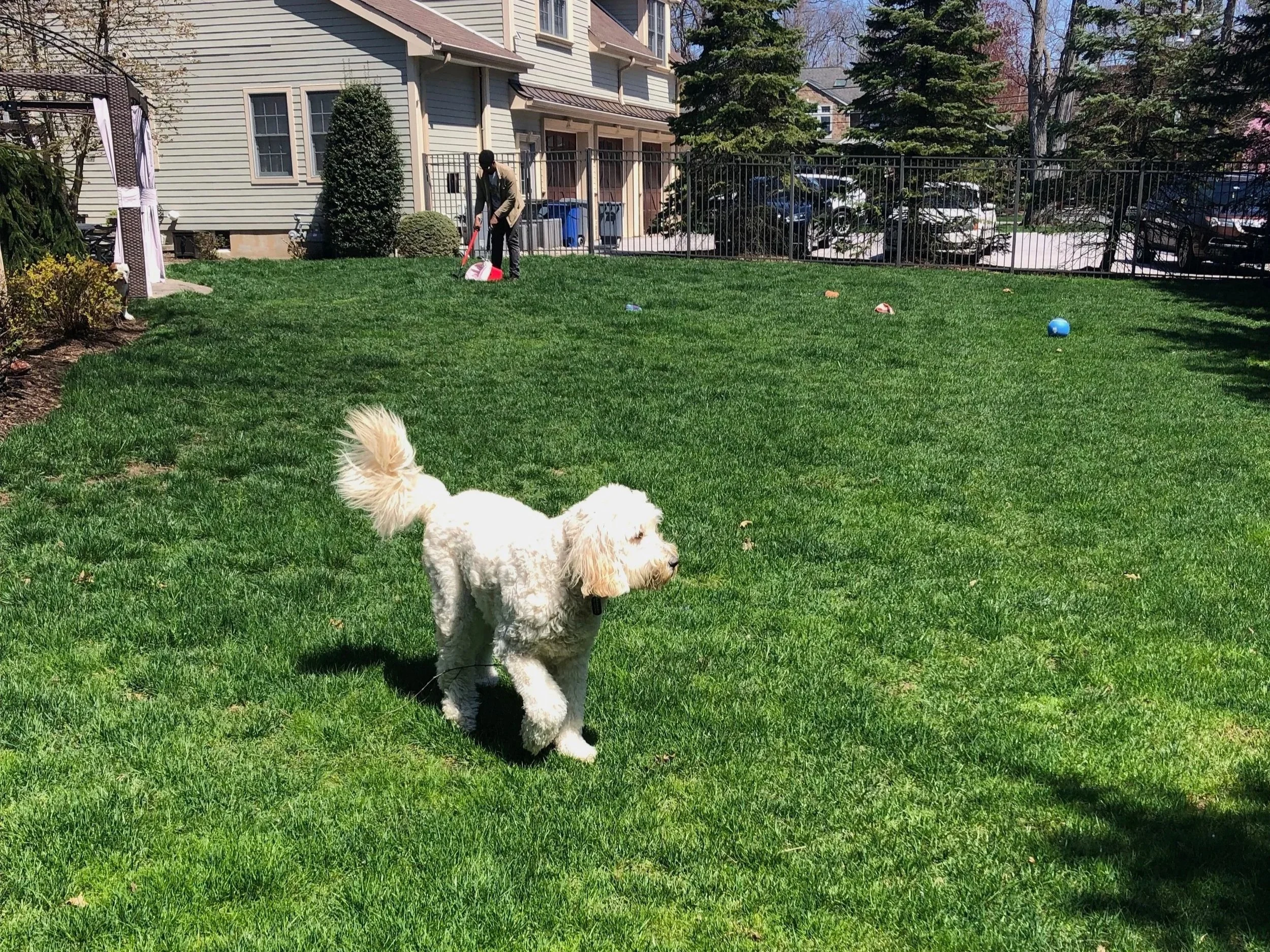
As the weather finally starts to warm up here in New Jersey, most of us are eager to get back outside. The windows open, the grill comes out, and suddenly your yard becomes the place for relaxing, entertaining, and enjoying time with family and friends.

But there’s one not-so-fun reality that winter leaves behind…
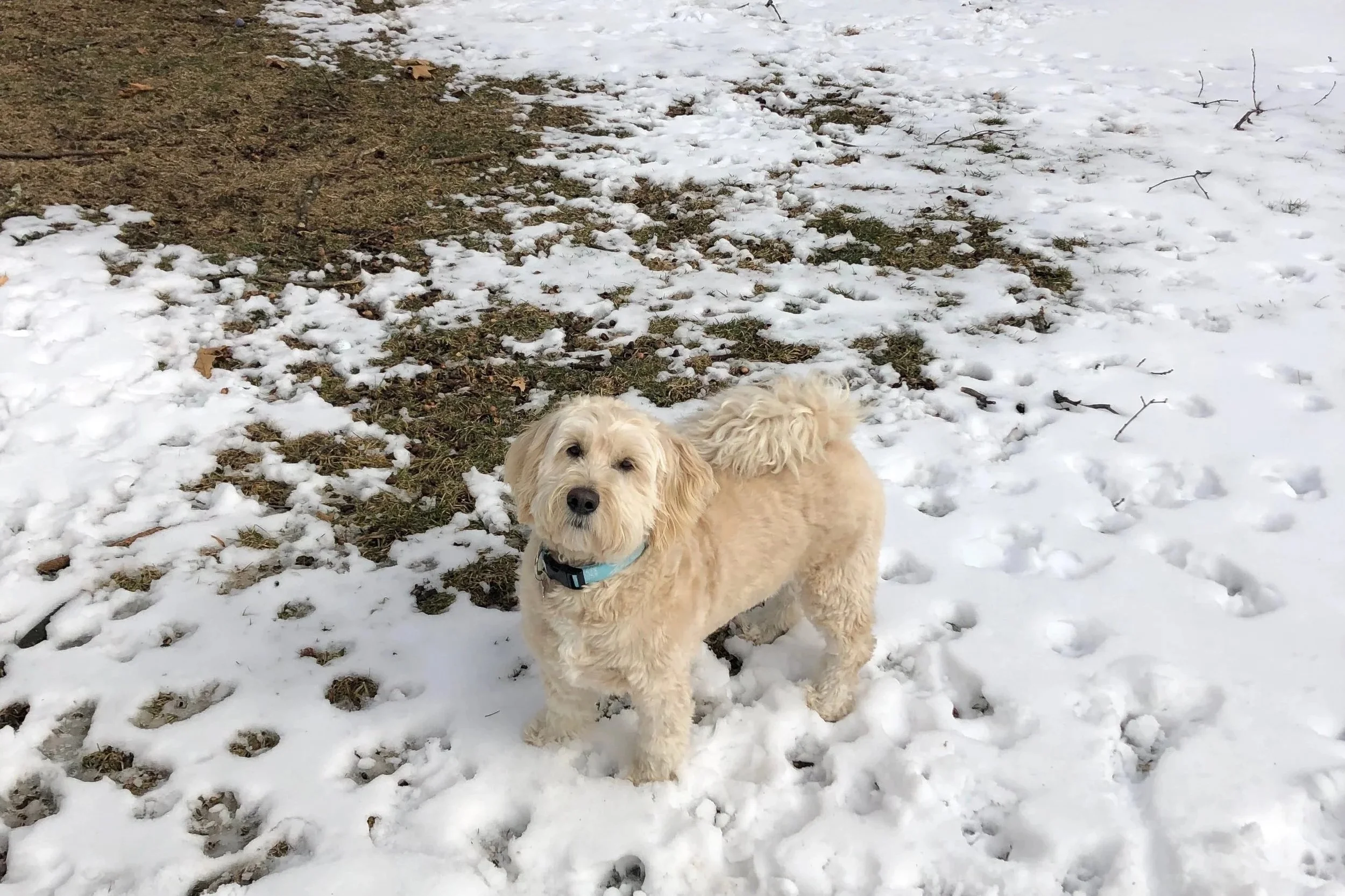
the poop doesn’t go away with the snow.

Over the colder months, pet waste tends to build up—hidden under snow, ignored during freezing temperatures, and out of sight (and mind). Then spring hits, everything melts, and it all resurfaces at once. Not exactly the fresh start you were hoping for.

That’s where a professional pet waste removal service can make a big difference.

First, it helps you get your yard truly ready for spring and summer use. Whether you’re planning backyard barbecues, hosting gatherings, or just want a clean space to relax, no one wants to worry about stepping in something unpleasant. A thorough cleanup gives you a fresh, usable yard right when you need it most.

Second, there’s an important health factor to consider. Pet waste isn’t just an eyesore—it can attract pests like flies and contribute to the presence of fleas and ticks. These pests aren’t just annoying; they can carry bacteria and disease that affect both pets and people. Regular removal helps keep your yard cleaner, safer, and more enjoyable for everyone.

And then there’s something we all value: your time.

Spring tends to be busy. Between work, family, and finally being able to enjoy the outdoors again, the last thing most people want to do is spend their free time doing yard cleanup. Hiring a service means you can skip that chore entirely and spend your time doing what you actually enjoy—whether that’s playing with your dog, relaxing outside, or hosting friends.

At the end of the day, pet waste removal is one of those things that’s easy to put off—but once it’s taken care of, the difference is immediate. Your yard feels cleaner, fresher, and ready to be used the way it should be.

Spring is all about a fresh start—and your yard deserves one too.

A Love Letter to My Dog, Cedar

Every February, I’m surrounded by messages encouraging me to give a gift of love to that one special somebody in my life. And yes, that’s my dog, Cedar! Of course, there are heart-shaped dog toys and treats I could get for him this year. But I’m wondering: What if I were to sit down and write a love letter to him instead? All I have to do is think about Cedar and I feel calmer, happier, even safer. He is my family, my “forever puppy” and it’s about time I really sat down at this keyboard to put into words the deep love that exists between Cedar (aka Beanie) and I. So, here I go!

Read more

How to Keep an Old Dog Happy and Healthy

by Nick Burton of Our Best Doggo

Image via Unsplash

Image via Unsplash

Is there anything sweeter than a dog that’s getting gray in the face? Senior dogs make amazing companions, especially for owners who aren’t prepared to keep up with the demands of a high-energy pup. But older dogs come with challenges of their own.

Keeping Up with Vet Care as Your Dog Ages

Regular check-ups are more important than ever when your dog hits the senior years. Wellness visits are a chance for your vet to recommend pet care changes that will preserve your dog’s health and catch diseases before they become prohibitively expensive or impossible to treat.

Wellness visits should be scheduled every six months for senior dogs. Regular dental care also needs to become a part of your dog’s care if it’s not already. Dental problems affect your dog’s ability to eat and can lead to serious infections. Annual cleanings keep your dog’s teeth clean and identify dental problems before they get serious.

Helping Your Older Dog Get Around

Arthritis is common in senior dogs. Like in humans, arthritis affects your dog’s ability to move comfortably. Your dog may walk a little slower, lost interest in jumping onto the couch, or let out a tell-tale groan when settling onto his bed. 

Little changes around the house make a big difference in the life of an arthritic dog. Area rugs and stair treads help your dog get a grip on hard flooring, while pet stairs let him climb into the car or onto furniture with ease. When it’s time for bed, an orthopedic dog bed cushions your pet’s aging joints against the hard floor.

It’s extremely important that arthritic dogs exercise. Exercise promotes healthy joints to prevent further degeneration and stops your dog from becoming overweight and adding more strain to his joints. Drs. Foster & Smith offer tips for exercising an arthritic dog.

Fine-Tuning Your Senior Dog’s Diet

Exercise is only one part of keeping your senior dog trim. Portion control is key to preventing weight gain as older dogs start to slow down. If your dog is gaining weight, adjusting his portions is a good place to start. However, you should also rethink what you’re feeding your aging pup.

Senior dogs need food with high-quality animal-based proteins. Senior dogs struggling with their weight also benefit from cutting back on fat. If your dog has trouble chewing kibble because of dental problems, it might be time to switch to soft food. 

Thinking about adding supplements to your senior dog’s diet? The omega-3 fatty acids EPA and DHA are especially beneficial for senior dogs’ joints, and glucosamine and chondroitin may help too. Of course, always talk to your vet before giving your dog supplements.

For more information on senior dog nutrition, take a look at Nom Nom Now’s detailed guide.

Dealing with Dementia in Senior Dogs

Sadly, some senior dogs lose cognitive function. Dogs with dementia may show signs of confusion, like getting lost in their backyard or forgetting commands they’ve known for years. They may lose enthusiasm for exercise and play and start having accidents in the house.

Dealing with canine dementia is worrying and frustrating all at once, but there are ways to manage it. On top of talking to your vet about medication (and to rule out other health problems), you can restrict your senior dog to areas of the home that are easy to clean and increase the frequency of trips outside to reduce accidents. Keeping a predictable daily routine also helps. Be sure to include exercise in that routine! Exercise minimizes sleep disruptions in dogs with dementia and provides essential mental stimulation.

Living with a senior dog can be tough, especially if your schedule doesn’t grant you a lot of time to keep up with your dog’s increased needs. But that doesn’t mean you can’t be a great owner to your aging pup — you just need a little extra help! From dog walkers to poop scoopers, there’s no shortage of dog-loving professionals who can help your senior dog age with grace

7 Ways to Show Love to Your Dog This Valentine's Day

It’s Valentine’s Day again and love is in the air. All this talk of roses, candy and Hallmark love is enough to make a lot of people feel downright sick. That is, of course, unless you have a dog. Because everyone knows that a dog is the very best date to have on February 14th. So how can you show them just how much they are loved?

valentine’s day, valentine’s dog, dog of the day, dog features, dog poop, dog poop removal, dog poop pickup, doggie pooper scooper, picking up dog poop, poop scoop service, dog poop scooper, poop scooping, pooper scooper business, dog poop cleanup, …

1. Give Them a Special Treat

What says “I love you” more clearly and emphatically than food, especially for a dog? Treat your pup to a new treat or make some yourself!

dog, dogs, dogs corner, dog of the day, weekly fluff, pet, dog lover, love dogs, dog life, doggo, doggie, dogs and pals, dogs are life, dogs for life

2. Go on a New Adventure

Whether it be going on a serious hike, letting them get messy or just driving one town over for a walk, new places are stimulating and exciting for your dog. So strap them in, get going and show them you love when they have a good time!

adventureDog.jpg

3. Have a Play Date

Is there anything cuter than dogs being playful with each other? Consider inviting your dog’s best friend over for a whole morning or afternoon of playtime.

doggiePlayDate.jpg

4. Learn a New Trick

Training doesn’t have to be all about teaching your dog commands that you need for them to learn (sit, stay, heel, etc.) . It can be so much fun for both of you to embark on training a fun new trick like roll over, play dead or spin. And training is an incredible bonding experience - perfect for the day of love.

learningTrick.jpg

5. Get Pampered

Did somebody say spa day? Make no mistake, many dogs enjoy being pampered just as much as we humans do so why not treat your doggo to a luxurious grooming session?

spaDay.jpg

6. Find a New Toy

We all know that nothing will replace your dog’s favorite, special toy. But something new is always fun! Why not stop by your local pet store and let your fur baby pick out their own new toy?

newToy.jpg

7. Hire a Pooper Scooper Service

Last but not least, do you even love your dog at all if you haven’t hired a pooper scooper service for them?? But for real, a consistently clean yard is a great way to show your dog that you value their health and happiness. So contact us today.

dog poop, dog poop removal, dog poop pickup, doggie pooper scooper, picking up dog poop, poop scoop service, dog poop scooper, poop scooping, pooper scooper business, dog poop cleanup, dog poop service, pooper scooper, dog waste removal, dog poop se…

Dog Digging Habits: Causes and Preventative Measures (Hiring a Pooper Scooper Can Help!)

As dog parents, we all know that there are few nightmares worse than having your beloved dog get loose or run away. Having a securely fenced-in back yard can certainly be a strong step in the right direction toward preventing such a catastrophe. But remember that you also need to keep your dog from digging under that fence! This is a common problem that we see frequently when visiting customers’ yards for their regular poop scooping. We always snap a picture and alert the household immediately if some rascal is digging away in the yard. And we always wish we could do more to help like, say, write a blog on the subject!

keep dog from digging under fence, how to keep dog from digging under fence, stop dog from digging under fence, how to stop dog from digging under fence, how to keep a dog from digging under fence, dog poop removal, dog waste removal, dog poop pick …

How can you know if your dog is ever going to be prone to digging? Many breeds are automatically predisposed to this behavior because the evolution of their breed probably called for digging as part of their job. They are born to dig! Such “hard core” digger breeds include dogs in the Terrier Group ( Bedlington Terrier, Cairn Terrier, Miniature Schnauzer), the Hound Group (Beagle, Dachshund) and Sporting Group (Wirehaired Pointing Griffon). Other dogs are more “fair weather fans” of digging and are a little less aggressive with their escape attempts! These dogs include those in the Working Group (Siberian Husky, Alaskan Malamute) and Herding Group (Australian Shepherd, Border Collies.) . While this is not an exhaustive list, it’s certainly a start to understanding your digging dog and which breeds will be more likely to dig. Learn more at Petcha!

So you already know there’s a problem and now you need a solution. If you have the time, patience, yard space and wherewithal (if you plan on hiring a professional to assist) to train your dog to curb his digging habit, rest assured that it IS possible. Wag! says that “even the most determined digger will respond given time and patience.” The trick is to remove the stimuli that is driving him or her to dig (boredom, lack of mental stimulation, heat) and encourage digging in a specified “dig zone.” This dig zone can be filled with sand, dirt or whatever your dog likes to get into and it can be fenced off if you prefer. Teach your dog, with treats, toys and puzzle feeders, that this location is where they should go to do their digging! Be sure to give them plenty of encouragement and rewards. It will make your dog happier and safer while giving you peace of mind that he or she will not be digging around the fence that could lead to him getting lost!

dog digging, digging dog, why is my dog digging, how to make a dog stop digging, training a dog to stop digging, dog digging in yard, stop dog digging, dog poop pick up, pooper scooper, dog waste removal

Of course, this type of training may not be for every human or for every dog. You may not have the time to train or your yard might not be large enough to contain a dedicated “dig zone.” Or your dog might be particularly stubborn in this habit. What’s the answer then? Reenforce the fence! If your dog is going to keep digging there, so be it, but at least you can prevent them from popping out on the other side. Buried fencing materials for dig defense are available at most major home improvement retailers. Chicken wire is also an excellent option for shoring up your fence.

Whatever you choose to do, consider Big Business Scoopers or your local dog poop pick up and removal company, as another line of defense in your quest to keep your dog safe and contained despite all the digging. If we see any holes getting out of hand, we contact you immediately, with a picture, so that you can be sure to block continued and further attempts in that area. Together, we can keep your digging dog safe from harm!

Snow Policy Explanation ... Let It Snow!

Happy 2019 to you all!  Here's to another year of poop-free yards!  We'd like to kick off the new year by reviewing our snow policy. 


If there has been only a very light dusting of snow, we and our team of Scoopers can find what we are looking for and go about business as usual. But even when the grass is still visible in heavier dustings it becomes difficult to find deposits since they are lower than grass height. So if it snows much more than a very light dusting, we may need to skip that week's scheduled scooping as we cannot, alas, pick up what we cannot see.

d

When snow is already on the ground, though, we absolutely forge ahead as usual to get your yard all cleaned up.  The only exception to this is when freezing rain has created slick and dangerous conditions.  But most often, the issue usually ends up being the timing of the snowfall and how close it happens before your scheduled service.

If you decide to clean up during a week that is missed due to snow, please let us know and we will credit your account for that week.  Otherwise, we do charge your usual amount as there is a double job to do when your Scooper returns and it's usually under "frightful" conditions.

We hope this helps clear things up before the dead of winter hits!
Cheers,
Tina LaBeaume

tina_easter2018_edited.jpg

POOlution: The Environmental Problem of Dog Waste

A single dog poop can contain millions of germs, parasites and bacteria that are harmful to human and dog health alike.  The Environmental Protection Agency places dog waste in the same category as herbicides, insecticides, oil, grease and other toxic chemicals.  And with the number of dogs living in America on the rise, with 89.7 million recorded in 2017, the amount of this toxic waste in our environment is also on the rise.  Dog poop that is left on the ground can be carried up in stormwater and make its way into our untreated waterways.  This poses a great risk to organisms that depend on those ecosystems as well as people who use them for recreational purposes.  In order to protect New Jersey's five water regions and has twenty watershed management areas (WMAs), and our environment as a whole, we must be more conscious about how we handle and dispose of our dogs' waste.

doggieDepositStats.jpg

The first thing you can do to help minimize the negative impacts of dog waste on our environment is simply to make sure that it is picked up on a regular basis.  Ideally, dog waste should be picked up as soon as it hits the ground and this is especially true when you are walking your dog in your community.  But every practical dog owner knows that this just isn't feasible when it comes to dogs using a private outdoor space like a yard or dog run on a regular basis.  In this situation the best frequency of pickup really depends on the size of the space, number of dogs and humans using it and its proximity to waterways.  But the safest bet, as a general rule, is to pick up collected dog waste once every week.  This is what we recommend for most of our clients.

When we go to a yard for a cleaning we use 13 gallon trash bags to line a bin into which we deposit each pile of poop that we find using a hoe-like periscopic tool.  At an average stop we collect one bag and then place that bag into a second bag before placing it into the trash or hauling it away (either way, its destination is the landfill.)  During first time cleanups, like the one pictured below, and at yards that are used by three or more dogs it is more common to use 2 or more bags.  With an average of 25-30 stops per route, collecting at least 2 bags per stop, Big Business Scoopers alone uses 50-60 plastic trash bags per route.  Our Scoopers manage 17 routes per week over several New Jersey counties, bringing this total to at least 850 plastic bags used per week.  Of course, plastic is currently the optimal way to contain this toxic waste quickly and effectively, in order to prevent the spread of illness, but we do understand the implications of our business using so much of it.  Sometimes, it feels like we are canceling out the good we do of removing dog waste by also depositing so much plastic into our environment.  Talk about a conundrum!

8bagsofPoop.jpg

We pride ourselves on helping create a world in which dogs (and their humans) can live together even more harmoniously by enjoying safer and healthier outdoor spaces.  Thinking responsibly about how we are impacting our communities and environments by how we handle dog poop pick up and removal is an integral part of constantly striving toward that goal.  And to that end, we are, in this 15th year of business, beginning to look into options for disposing of dog waste in a more sustainable and eco-friendly way.  It will likely be a many years journey of discovery along which we are sure to make mistakes and learn some stinky lessons.  But we feel that it is imperative that we always attempt to do our small part.

The options are many and varied for offering our customers greener options.  We can swap 13 gallon plastic bags for ASTM 6400 certified large compostable bags like those offered by EcoSafe or BioBag, which will break down after reaching the landfill thus reducing plastics waste.  There is a product called Doggie Drain that seamlessly hooks up to a building's outdoor sewer line, allowing our Scoopers to flush (with a hose) dog waste directly into the sewer system.  Some trail blazers in the pet waste removal industry, like Green Scoop in Ohio,  are partnering with local water treatment plants or companies that have the capability to convert dog poop into natural gas and electricity.  Then there are DIY dog poop composter products like the Doggie Doolie which could be good options for dog owners with a lot of property and an open mind about composting right at home!  And there are certainly others that we have not yet come across.  We hope to share what we learn here on the blog as well as on social media so please feel free to follow along on this journey and share your thoughts and comments. 

Here's to greener dog poop!

dogRecycle.jpg